
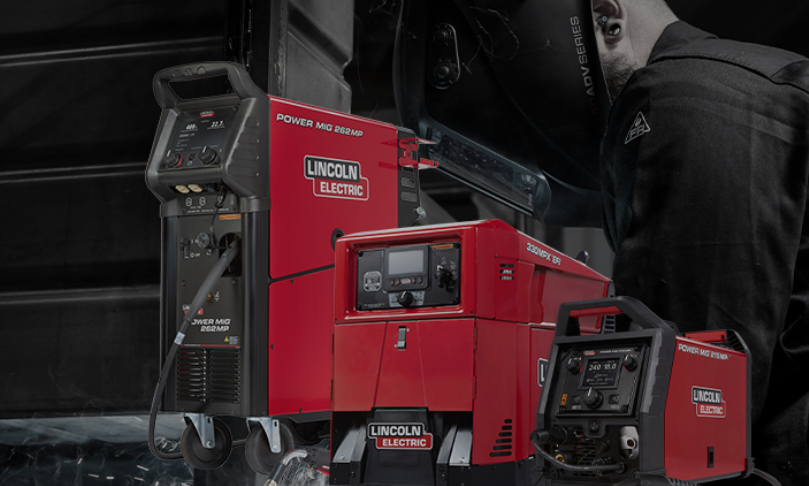
Welding for Beginners: Choosing the Right Machine and Getting Started
Learning to weld is one of the most useful skills you can build. Whether you want to repair equipment, work on a vehicle, build a metal table, fix a trailer, or start a new trade, welding opens the door to a lot of hands-on projects.
But if you are new to welding, choosing your first machine can feel confusing. MIG, TIG, Stick, volts, amps, duty cycle, wire size, gas tanks, electrodes—it can be a lot at first.
The good news is that you do not need to learn everything at once. You just need to understand the basics, choose a welder that fits your goals, and start practicing safely.
This beginner guide will walk you through how to choose your first welding machine and how to get started with confidence.
Start With the Type of Welding You Want to Do
The first step is deciding which welding process makes the most sense for your projects. The three most common options for beginners are MIG, TIG, and Stick welding.
Each one has its place. Some are easier to learn. Some work better outdoors. Some are better for thin metal, while others are better for heavy steel.
MIG Welding: The Easiest Starting Point for Many Beginners
MIG welding is often the best choice for beginners because it is simple to learn and works well for many common projects.
A MIG welder uses a spool of wire that feeds through the welding gun. When you pull the trigger, the machine feeds the wire and creates the arc. Most MIG welding uses shielding gas to protect the weld from contamination.
MIG welding is good for:
- Home repairs
- Auto body work
- Light fabrication
- Mild steel projects
- Farm and shop repairs
- Beginner practice
Why beginners like MIG welding
MIG welding is easier to control than some other welding processes. Once your machine is set up, you mainly focus on gun angle, travel speed, and keeping a steady hand.
It is also faster than Stick or TIG welding for many basic jobs. If you want to build shelves, repair brackets, or make small steel projects, MIG is a strong first choice.
Things to know before buying a MIG welder
Many MIG welders need shielding gas, usually a mix of argon and carbon dioxide for mild steel. Some machines can also run flux-core wire, which does not need a gas cylinder. Flux-core welding is useful outdoors because wind will not blow away shielding gas.
If you are looking for beginner-friendly MIG options, Lincoln and Miller both offer machines that are popular for home shops, garages, and small fabrication work. You can browse available Lincoln and Miller welders at our online store.
Stick Welding: Simple, Tough, and Great Outdoors
Stick welding, also called SMAW, uses a coated electrode or “stick” to create the weld. It does not require a wire spool or shielding gas.
This makes Stick welding a good choice for outdoor work, farm repairs, equipment repairs, and thicker steel.
Stick welding is good for:
- Outdoor welding
- Farm equipment
- Structural steel
- Thicker metal
- Dirty or rusty material
- Repairs in the field
Why beginners choose Stick welding
Stick welders are usually simple and durable. They can be more affordable than some MIG and TIG machines. They also work well in windy conditions, which is helpful if you plan to weld outside.
What makes Stick welding harder for beginners
Stick welding takes more practice at first. You need to learn how to strike an arc, hold the correct arc length, and move at the right speed. The electrode gets shorter as you weld, so your hand position changes during the bead.
You also have to chip away slag after welding. This is normal, but it adds another step.
If you want a simple machine for repair work and thicker steel, a Stick welder from Lincoln or Miller may be a practical first machine. You can view welding machine options at our online store.
TIG Welding: Clean, Precise, and More Advanced
TIG welding, also called GTAW, gives you the most control and can produce very clean welds. It uses a tungsten electrode to create the arc, and you often add filler rod by hand.
TIG is common for stainless steel, aluminum, thin metal, and projects where appearance matters.
TIG welding is good for:
- Thin metal
- Stainless steel
- Aluminum
- Detailed fabrication
- Clean, precise welds
- Motorsports and custom work
Why TIG welding is not always the best first choice
TIG welding takes more coordination than MIG or Stick. You may use one hand to hold the torch, the other hand to feed filler rod, and your foot or finger to control amperage.
It is a great skill to learn, but many beginners find it easier to start with MIG or Stick first.
That said, if your main goal is precision work, stainless steel, or aluminum, TIG may be worth learning early. Miller and Lincoln both make TIG machines for different skill levels and budgets. You can explore available options at our online store.
Think About the Metal Thickness You Will Weld
After choosing the welding process, think about the thickness of the metal you plan to weld most often.
This matters because every welder has an amperage range. Thin sheet metal needs lower amperage. Thick steel needs more power.
For thin metal
If you plan to weld auto body panels, small brackets, or thin sheet metal, you need a welder that has good low-end control. Too much heat can burn through thin material.
MIG welding is often a good choice for thin mild steel, especially with the right wire size and settings.
For medium-thickness steel
For general home projects, shop repairs, and small fabrication, a MIG or Stick welder can work well. Many beginners fall into this category.
Examples include:
- Welding angle iron
- Building a small cart
- Repairing a gate
- Making a workbench frame
- Fixing lawn equipment
For thick steel
If you plan to weld heavy plate, large equipment, trailers, or structural parts, you will need a machine with enough amperage. Stick welding is often a good fit for thicker steel, though larger MIG welders can also handle heavier work.
As a beginner, be honest about your projects. Buying too small of a welder can limit what you can do. Buying too large may cost more than you need.
Decide Between 120V and 240V Power
Welders are often grouped by input power. Many beginner machines run on 120 volts, which is standard household power. Larger machines usually run on 240 volts.
120V welders
A 120V welder is convenient because you can plug it into many normal outlets. These machines are often portable and beginner-friendly.
They are best for lighter work, thin metal, and small projects.
240V welders
A 240V welder gives you more power. This helps when welding thicker metal or working for longer periods.
The downside is that you need access to a 240V outlet. If your garage or shop does not already have one, you may need an electrician to install it.
Multi-voltage welders
Some machines can run on both 120V and 240V power. This gives you more flexibility. You can use 120V for light work and 240V when you need more output.
For many beginners, a multi-voltage welder is a smart choice if it fits the budget.
Set a Realistic Budget
Your first welding machine does not need to be the most expensive model in the shop. But it should be reliable, safe, and suited to your goals.
When setting your budget, remember that the welder is only part of the total cost.
You may also need:
- Welding helmet
- Welding gloves
- Welding jacket or sleeves
- Safety glasses
- Welding clamps
- Wire, electrodes, or filler rods
- Shielding gas and regulator
- Chipping hammer
- Wire brush
- Angle grinder
- Metal for practice
A lower-priced welder may help you get started, but do not forget the cost of safety gear and supplies.
Lincoln and Miller are both trusted brands with machines for beginners, hobby welders, and professionals. If you are comparing options, visit our online store to look at available welders and accessories.
Look at Duty Cycle Before You Buy
Duty cycle tells you how long a welder can run before it needs to cool down. It is usually listed as a percentage over a 10-minute period.
For example, a 30% duty cycle means the welder can weld for 3 minutes, then needs 7 minutes to cool.
For beginners, duty cycle may not be a major issue because you will likely spend time fitting parts, checking welds, and adjusting settings. But if you plan to weld for longer stretches, pay attention to this number.
Do You Need a Multi-Process Welder?
A multi-process welder can handle more than one welding type. For example, some machines can run MIG, Stick, and TIG.
This can be helpful if you want to try different processes without buying several machines.
A multi-process welder may be right if:
- You want flexibility
- You are not sure which process you will use most
- You plan to grow your skills
- You want one machine for different jobs
A single-process welder may be right if:
- You know exactly what type of welding you want to do
- You want a simpler setup
- You are working with a tighter budget
- You prefer fewer controls and settings
For many beginners, a MIG or multi-process machine is a practical first choice.
Safety Gear Every Beginner Needs
Welding can be safe when you use the right gear and follow basic rules. Never skip safety equipment.
Basic welding safety gear includes:
- Auto-darkening welding helmet
- Welding gloves
- Flame-resistant jacket or sleeves
- Long pants made from cotton or denim
- Leather boots
- Safety glasses
- Hearing protection when grinding
- Respirator or proper ventilation when needed
Avoid synthetic clothing. Materials like polyester can melt when hit by sparks.
Also, keep your work area clean. Move away paper, sawdust, fuel, oily rags, and anything else that can catch fire.
Set Up a Safe Welding Area
Before you strike your first arc, prepare your workspace.
Your welding area should have:
- Good ventilation
- A clean metal work surface
- A fire extinguisher nearby
- Good lighting
- Dry floors
- No flammable items close to the weld area
- A safe place for hot metal to cool
Welding creates heat, sparks, smoke, and bright light. Give yourself room to work and make sure other people nearby are protected from the arc.
Learn the Basic Welding Techniques
Once your machine is set up, start with simple practice beads on scrap metal. Do not begin with an important repair or finished project.
Practice these basics first:
1. Clean the metal
Clean metal helps create better welds. Remove paint, rust, oil, and dirt before welding. A grinder, wire brush, or flap disc can help.
2. Set the machine correctly
Use the chart inside the welder door or the settings guide in your manual. Settings are usually based on metal thickness, wire size, electrode type, or process.
3. Keep a steady travel speed
If you move too fast, the weld may be narrow and weak. If you move too slow, you may build up too much weld metal or burn through the material.
4. Watch the puddle
The molten weld puddle shows you what is happening. Learn to watch the puddle instead of only watching the arc.
5. Keep the correct angle
Gun or rod angle affects bead shape and penetration. For MIG welding, a slight push or pull angle is common. For Stick welding, you usually drag the electrode slightly.
6. Practice consistency
Good welding is about steady movement, steady angle, and steady distance from the work. Your first welds may not look perfect. That is normal.
Beginner Practice Projects
Practice projects help you build skill without pressure. Start small and focus on clean, consistent welds.
Good beginner welding projects include:
- Straight weld beads on flat plate
- Lap joints using scrap steel
- T-joints with small pieces of angle iron
- A simple metal cube
- A small welding table
- A shop stool
- A garden trellis
- A basic tool rack
- A small cart
- A firewood holder
Start with scrap steel before moving to a finished project. Cut small pieces, tack them together, and practice different joint types.
Common Beginner Welding Mistakes
Every welder makes mistakes while learning. The key is to understand what went wrong and keep practicing.
Watch out for these common issues:
Poor ground connection
A bad ground clamp connection can make the arc unstable. Clamp to clean metal close to your weld area.
Dirty material
Paint, rust, and oil can cause weak welds and porosity. Clean your metal before welding.
Wrong settings
Too much heat can burn through thin metal. Too little heat can cause poor penetration. Use the machine settings chart as a starting point.
Moving too fast
Fast travel speed can leave a weak, thin bead. Slow down and watch the puddle.
Holding too long of an arc
This is common with Stick welding. A long arc can cause spatter and poor control. Keep the arc length steady.
Skipping safety steps
Do not weld without eye, skin, and fire protection. Safety habits matter from day one.
Choosing Your First Welder: Simple Recommendations
If you are still unsure which machine to choose, use your main project type as your guide.
Choose MIG if you want:
- The easiest learning curve
- Clean welds on mild steel
- A good all-around garage machine
- A machine for home projects and light repairs
Choose Stick if you want:
- Outdoor welding
- Farm or equipment repair
- A simple and rugged setup
- Better performance on thicker or less-clean metal
Choose TIG if you want:
- High precision
- Clean-looking welds
- Stainless steel or aluminum work
- A process you can grow into over time
Choose multi-process if you want:
- Flexibility
- Room to learn different processes
- One machine for MIG, Stick, and TIG-style work
- A long-term machine for changing project needs
Lincoln and Miller both offer dependable welders across these categories. To compare available machines and find one that fits your needs, visit our online store.
Final Thoughts
Your first welder should match the work you want to do, the metal thickness you plan to weld, your power supply, and your budget.
For many beginners, MIG welding is the easiest place to start. Stick welding is a strong choice for outdoor repairs and heavier steel. TIG welding is best for clean, precise work but takes more practice.
No matter which process you choose, start with safety, practice on scrap metal, and build your skills one weld at a time. Your first beads may look rough, but that is part of learning. With patience and the right machine, you will improve quickly.
When you are ready to compare beginner-friendly welding machines, take a look at the Lincoln and Miller options available through our online store.

